
What to know
- Describe bump concerns and unwanted-hair goals separately.
- Explain which hair you want to retain.
- Confirm the diagnosis question and the booked area.
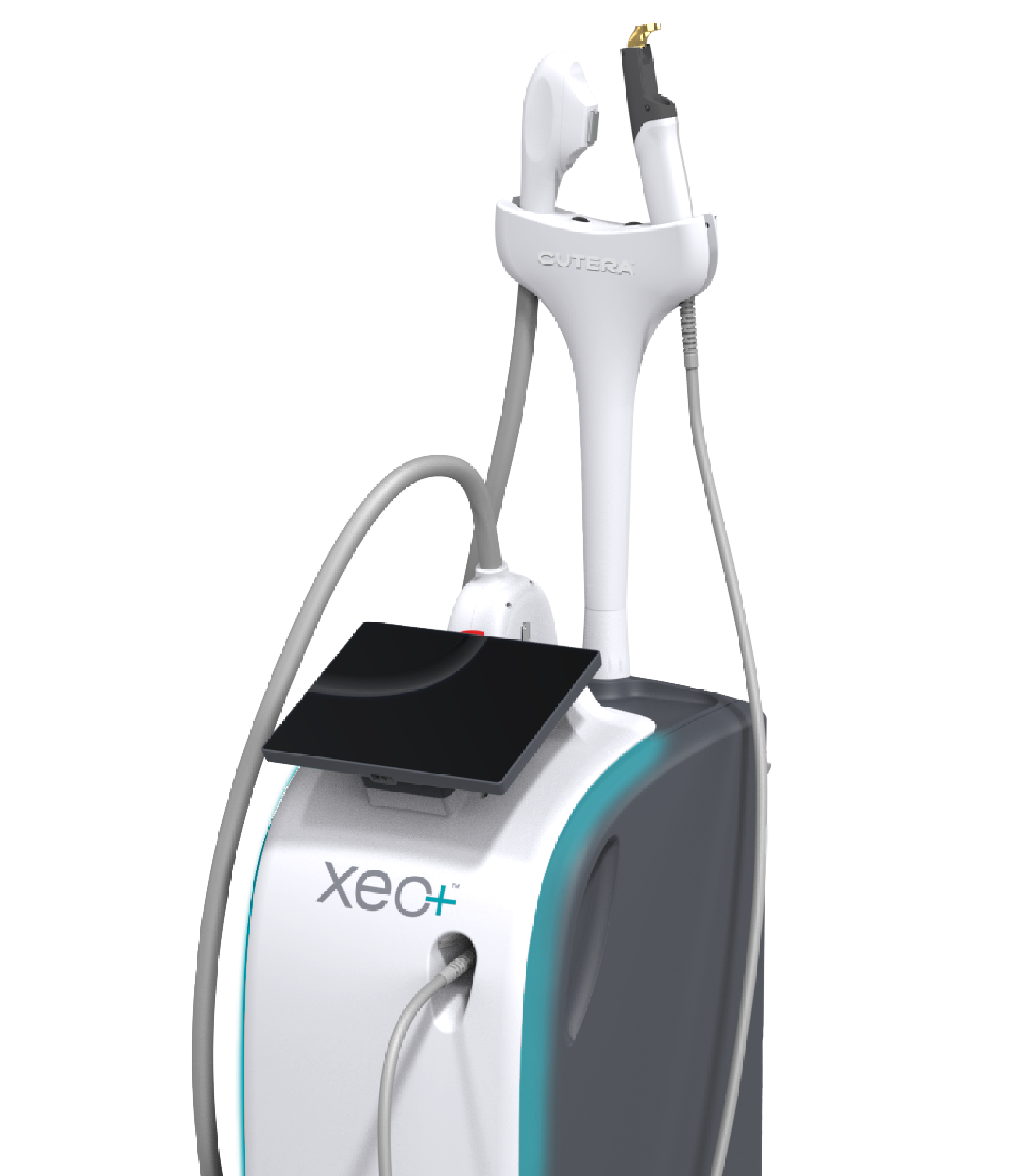
Cutera Xeo+
Xeo+ is the multi-application laser and light platform in our practice. Its handpieces use different light sources. A consultation identifies the treatment and handpiece appropriate to the concern being discussed.
Laser and intense pulsed light (IPL) are different technologies. Owning a platform does not mean every application is suitable for every person.
Manufacturer technology information
Watch the manufacturer’s Xeo+ overviewManufacturer imagery and demonstrations illustrate the equipment. They are not Chicago Medspa patient results.
Explain what happens around hair removal
Note the area involved and how the concern relates to shaving or another method. Describe what you observe without assuming every bump is an ingrown hair. A clinician may need to distinguish a hair-removal concern from a skin condition before discussing an aesthetic treatment.
If you have already received a diagnosis, bring that information and any relevant treatment history. Ask whether the consultation addresses the bumps themselves, unwanted hair, or both. A plan should make that distinction clear instead of using a photograph or a broad service label as a diagnosis.
Sources: American Academy of Dermatology; American Academy of Dermatology; Chicago Medspa service information
Discuss reduction and shaping separately
Laser hair removal is the service name; the clinical goal is long-term hair reduction. Reducing hair across an area and shaping a retained beard line are different preferences. Explain what hair you want to keep as well as what you want assessed for reduction.
The American Academy of Dermatology recommends asking about the provider's experience with your skin coloring, expected results and potential side effects. Those questions are especially useful when the area is visible in daily life. A consultation should account for the location, hair characteristics and your own priorities.
Sources: American Academy of Dermatology; American Academy of Dermatology; Chicago Medspa service information
Confirm what happens next
Ask how the provider will record the intended boundary and whether the booking name matches the area discussed. If your concern needs further evaluation, clarify that next step before selecting a treatment package. An existing package also needs to be matched to its recorded service rather than assumed to cover a differently named area.
Laser procedures can cause burns, scarring and pigment changes, and responses vary. Obtain individualized preparation and follow-up instructions from the treating professional. This article does not identify the cause of bumps or prescribe a shaving routine; it helps you bring a specific question to a complimentary consultation.
Sources: American Academy of Dermatology; American Academy of Dermatology; Chicago Medspa service information
Sources and further reading
Manufacturer descriptions explain the product or technology. They do not replace an individual assessment or your provider’s instructions.